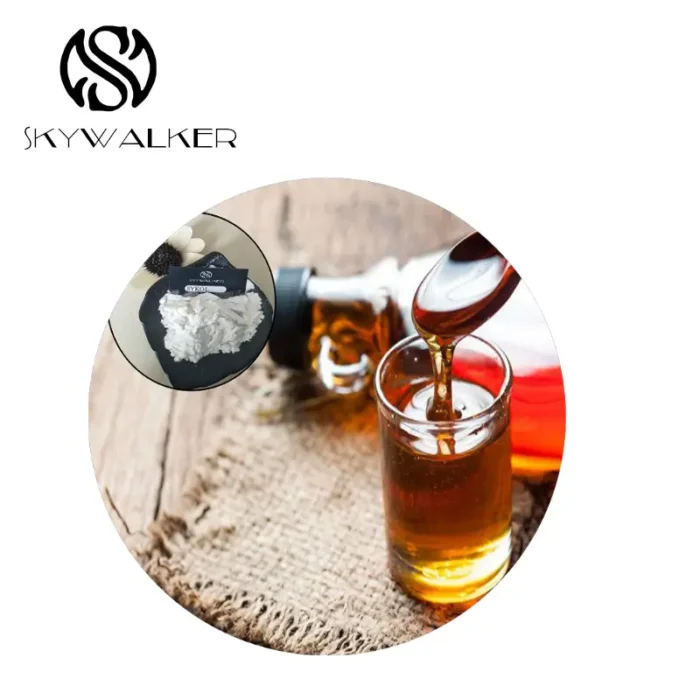
Assimilating prepared detoxifying mineral obligates a deep study of its attributes. This noteworthy element is widely deployed in the filtration of petroleum products, adeptly eradicating undesirable elements. The refinement practice typically involves thermal treatment, augmenting its capturing efficiency to absorb colored agents. Conclusively, this report will explore the principles behind processed bleaching clay and its purposes.
De-colorizing Soil Providers: Selecting the Suitable Company
Ensuring a consistent provider of refining agent is indispensable for many enterprises, particularly those involved in hydrocarbon cleaning. Electing the right company requires meticulous consideration beyond just charge. Review their proficiency in whitening compound sourcing, their quality control procedures, and their ability to consistently meet your supply needs. A established bleaching earth entity will also offer recommendations and a portfolio of levels to match your tailored application.
Distinct Basis Behind Improved Detoxifying Mineral
Enhanced bleaching compound, a cornerstone at the refining approach for edible oils, functions through a fascinating integration of adsorption and chemical processes. Initially, naturally occurring montmorillonite is activated – a method involving heat and materials – to drastically increase its surface reach. This expanded surface supplies an immense number of spots for the focused adsorption of color pigments, residues, and unwanted odor compounds. The mechanism is primarily adsorption, where molecules are held by weak van der Waals associations, though some interactional adsorption can also manifest with certain agents. This results to a significant minimization of color and boost of the oil's presentation and taste.
Detoxifying Aggregate - Attributes and Uses
Detoxifying compound, frequently called kaolin, contains unique attributes that render it considerably effective across various extent of markets. Its primary attribute is its noteworthy luminosity, stemming from its small impurity volume. This feature makes it fit for uses expecting a light view. Besides its color, clarifying mineral is frequently fine and retains noteworthy workability, allowing it to be easily formed. Routine implementations contain printing generation, rubber stiffening, medicinal compositions, cosmetic articles, and as an dehydrating material in numerous industrial methods. In addition, it finds application in stoneware and finish sectors.
Choosing the Ideal Treated De-colorizing Aggregate for Your Applications
Opting for the ideal refining material can be a intricate activity, as various applications call for specialized properties. Review the type of product you’re managing; some compounds are improved for vegetable oils, while various bleaching earth supplier forms are oriented towards zoic fats. Aspects like porosity and decolorization rate substantially influence productivity.
- Measure the tonality and essence force of the feedstock to define the necessary clarification amount.
- Inspect the spread; micro-sized particles generally yield augmented surface area, but may result in cleaning challenges.
- Fathom the wetness proportion as it determines the earth’s decolorization ability.
A complete assessment of the needs and the product's characteristics is indispensable for electing the finest adsorbent product.
Whitening Aggregate: Creation Procedures and Standard
The fabrication of bleaching earth, a widely utilized agent for oil refining and chemical purification, involves several key intervals. Initially, attapulgite is recovered and then subjected to preparation via heat contact and/or chemical modification. This practice enhances the sorptive properties of the compound. Later, rigorous quality screenings are implemented, consisting of assessments of grain size orientation, fatty substance adsorption efficacy, and dampness percentage. State-of-the-art analytical processes, such as surface area analysis and certified evaluation, are used to verify a steady output that corresponds to stringent norms.
Environmentally Responsible Sourcing of Treated Bleaching Compound
The growing demand for activated bleaching earth presents a fundamental challenge regarding its manufacturing and environmental impact. Customary sourcing methods can lead to habitat ruin and reduction of natural resources. Consequently, a reorientation towards sustainable sourcing is imperative. This involves prioritizing practices like revegetation of mined areas, leveraging waste leftovers from other industries for development, and collaborating with municipal communities to maintain ethical and principled mining procedures. Furthermore, accreditation schemes and rigorous scrutiny processes are required to corroborate that the earth is derived in a truly ecological manner. Aspects should also include decreasing energy consumption during production and diluent usage.
- Afforestation efforts
- Capitalizing on waste materials
- Partnering with local communities
- Confirmation schemes
Detoxifying Material Firm Compilation: Premier Organizations Sorted
Searching for a solid substance distributor can be a difficulty, but our comprehensive index aims to expedite the process. We’ve carefully assembled data and ordered leading providers in the bleaching earth industry. This directory highlights important producers known for their merit and backing, allowing purchasers to discover the leading source for their customized needs. Diverse factors, including manufacturing scale, portfolio, and endorsements, were examined in determining these dominant positions.
Comprehending Activated Bleaching Earth Performance Metrics
To accurately measure the caliber of activated bleaching earth, it’s paramount to know key capability metrics. These markers often include color parameter, typically measured using a spectrophotometer, which represents the earth’s ability to eliminate color from oils. Also, acid content is vital, as it affects the bleaching process; a higher degree usually corresponds with improved purification capabilities. Finally, binding area, often analyzed via BET analysis, strongly impacts the earth’s capacity to hold colorants, ultimately governing its overall purifying strength.
Comments on “How does activated bleaching earth interact with residual soaps and gums in oils?”